
As we reach the end of the first year of our three-year 30,000 Trees Project, it’s a great opportunity to reflect on what we’ve achieved and the valuable lessons we’ve learned along the way.
This time last year, we began with excitement and ambition—launching our GoFundMe campaign, forming a new team, and setting out to establish a sustainable model for tree planting in Cambodia. Since then, our dedicated local team—Sreyrath, Vannak, and Ratana—have worked tirelessly to bring this vision to life.
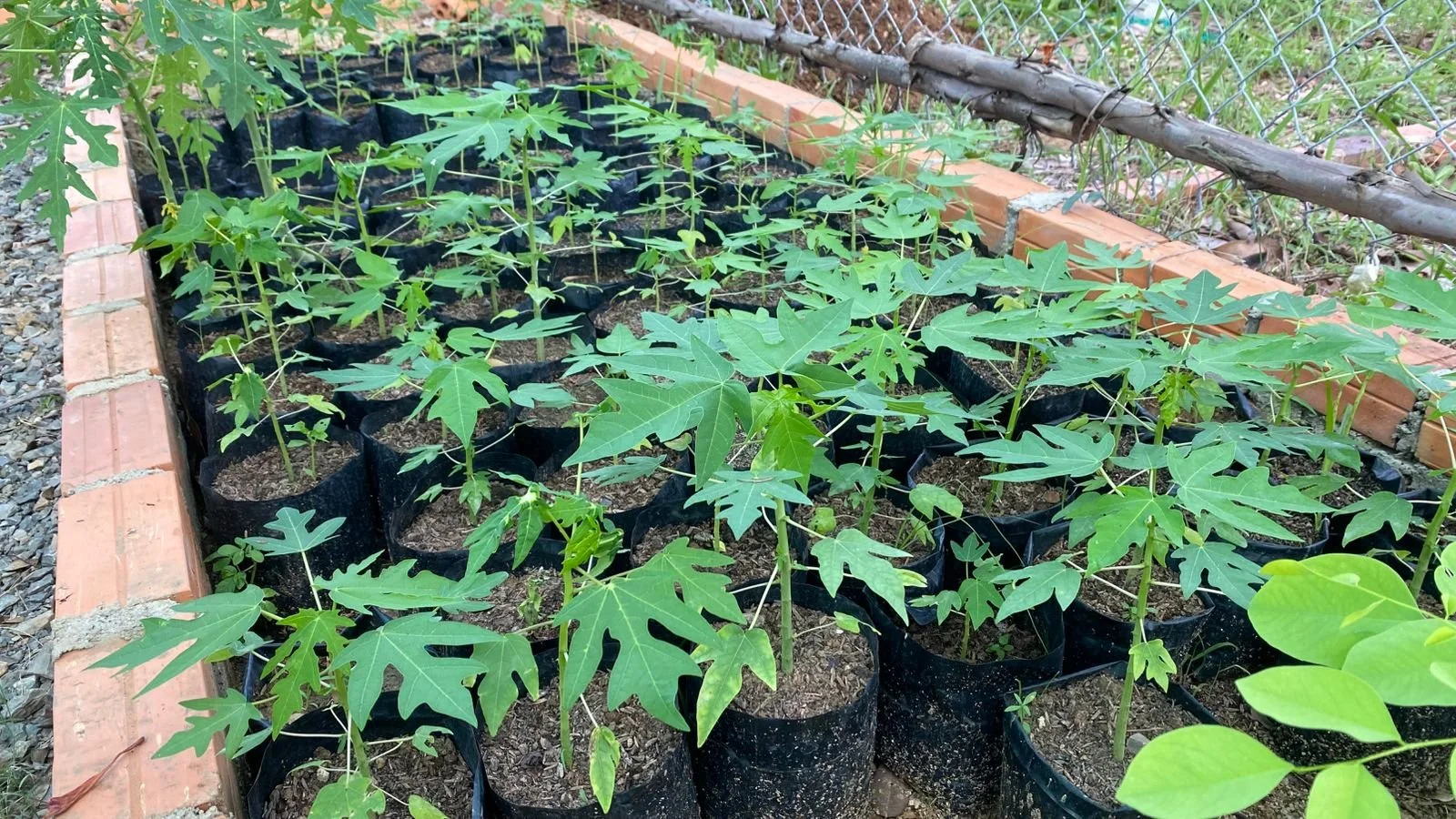
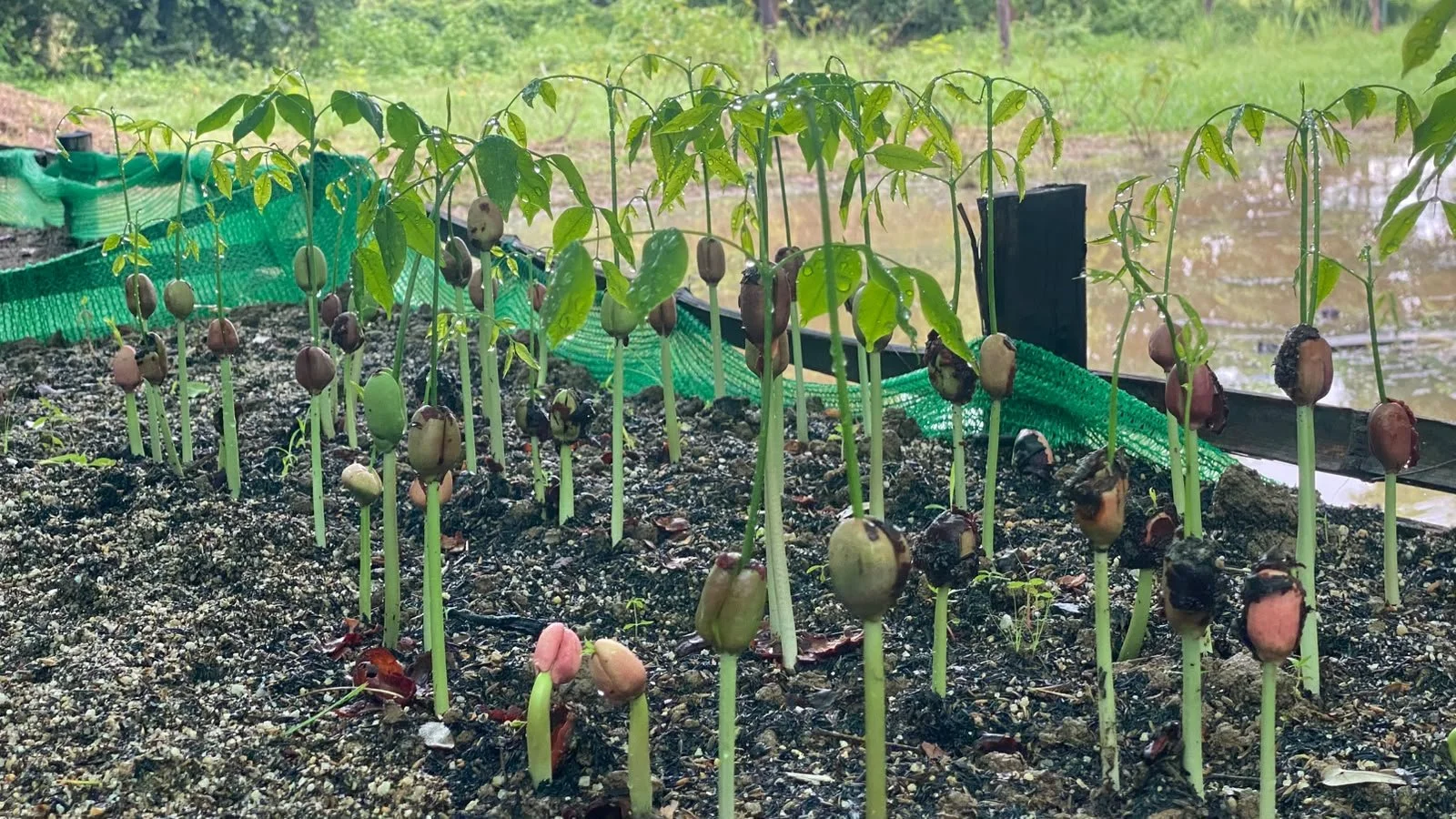
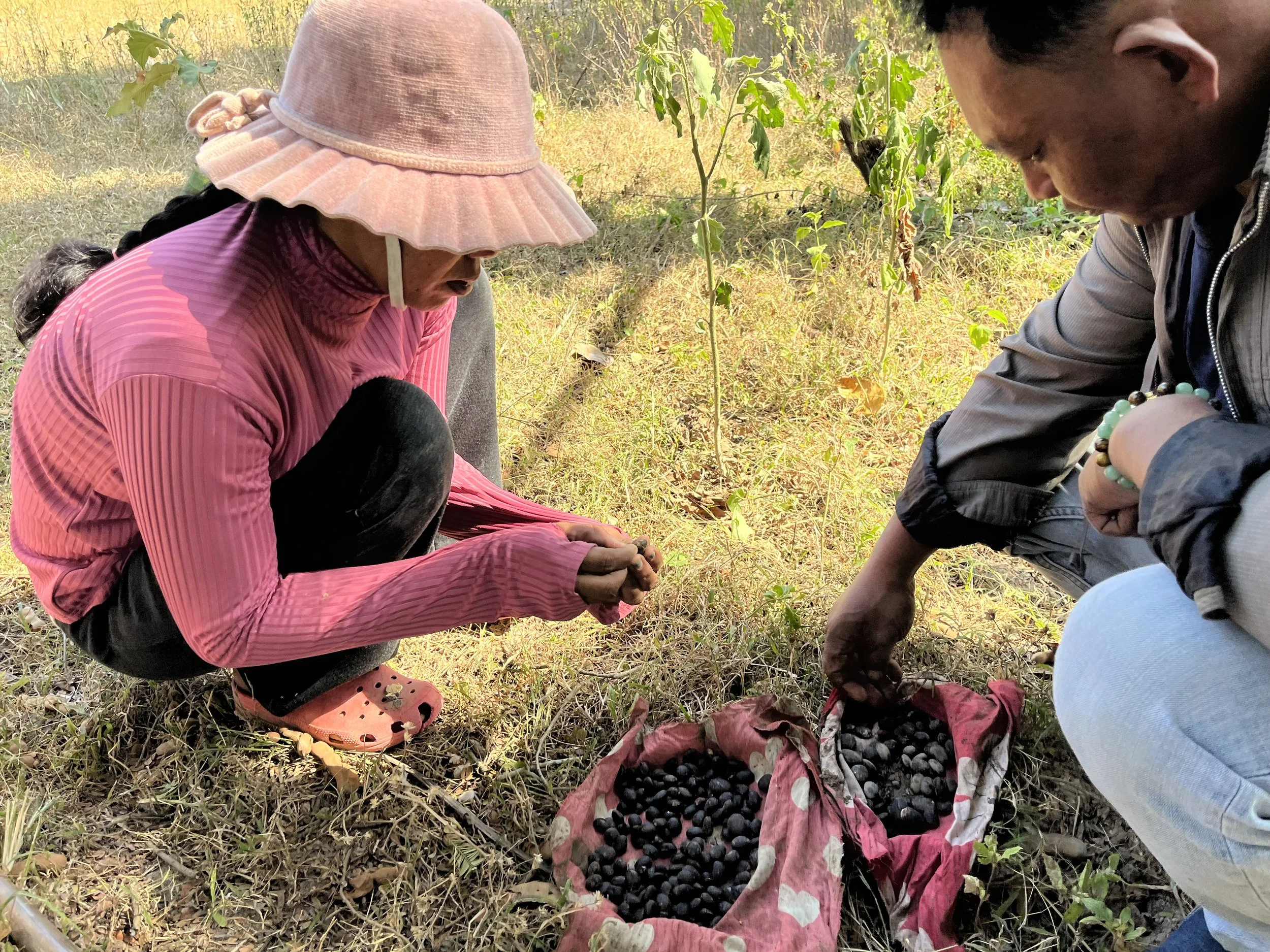
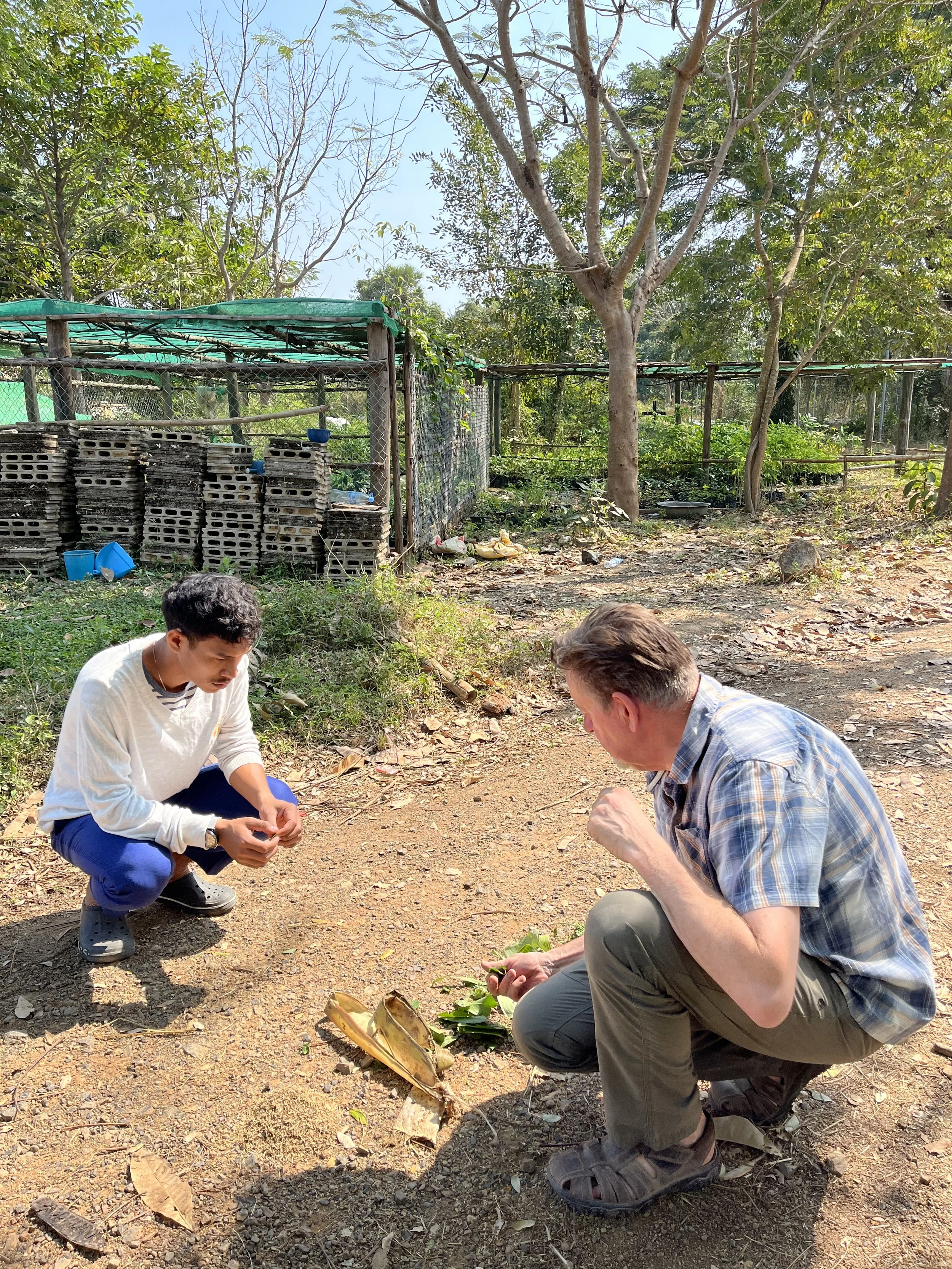
By May, our first micro-nursery was established and ready for planting. With the arrival of the rainy season, we began germinating seedlings and putting our plans into action. One of our earliest challenges was sourcing rainforest seeds, which must be collected directly from trees at specific times of year. In response, we developed a system for seed collection and storage, laying important foundations for the future.
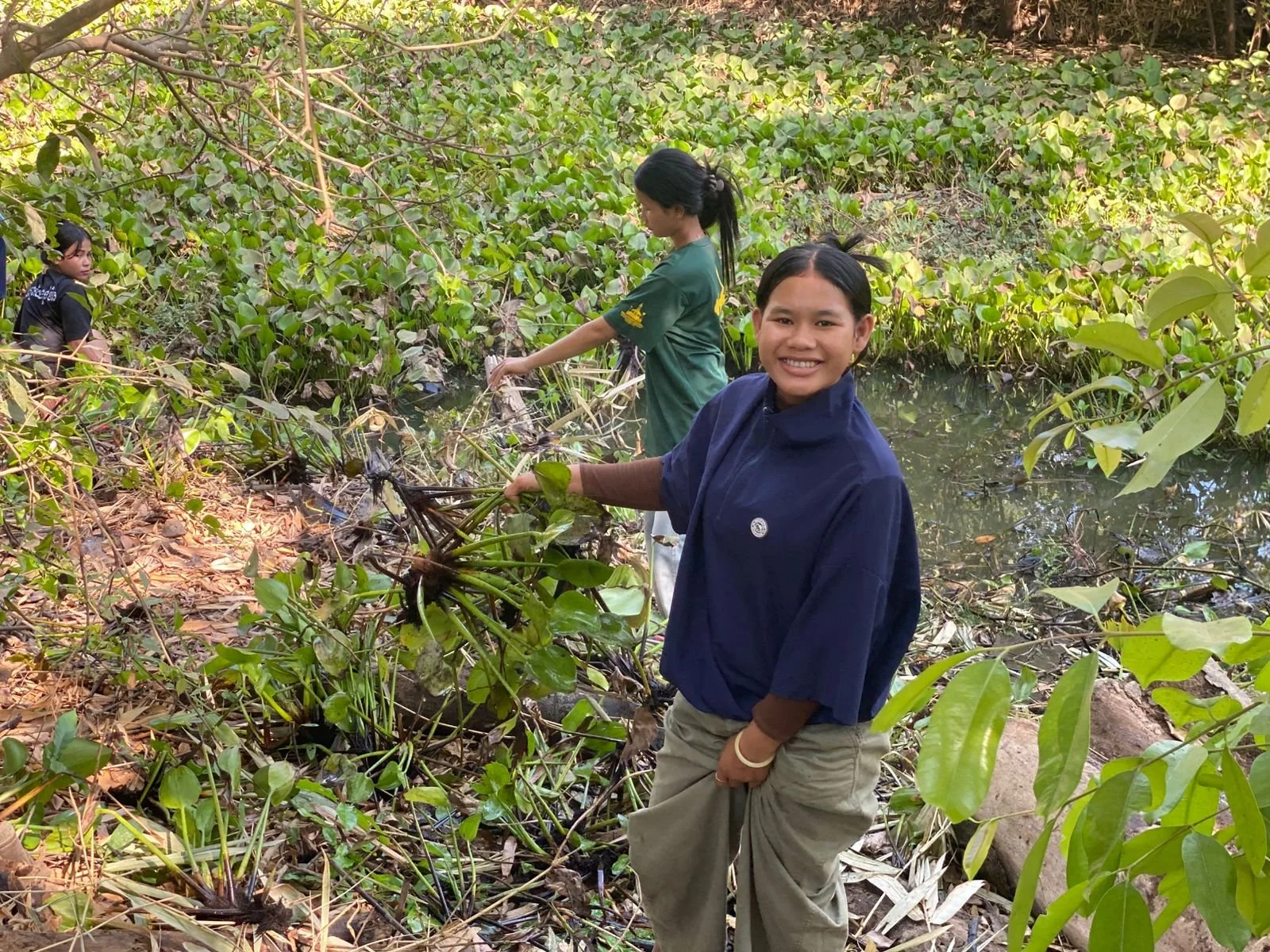
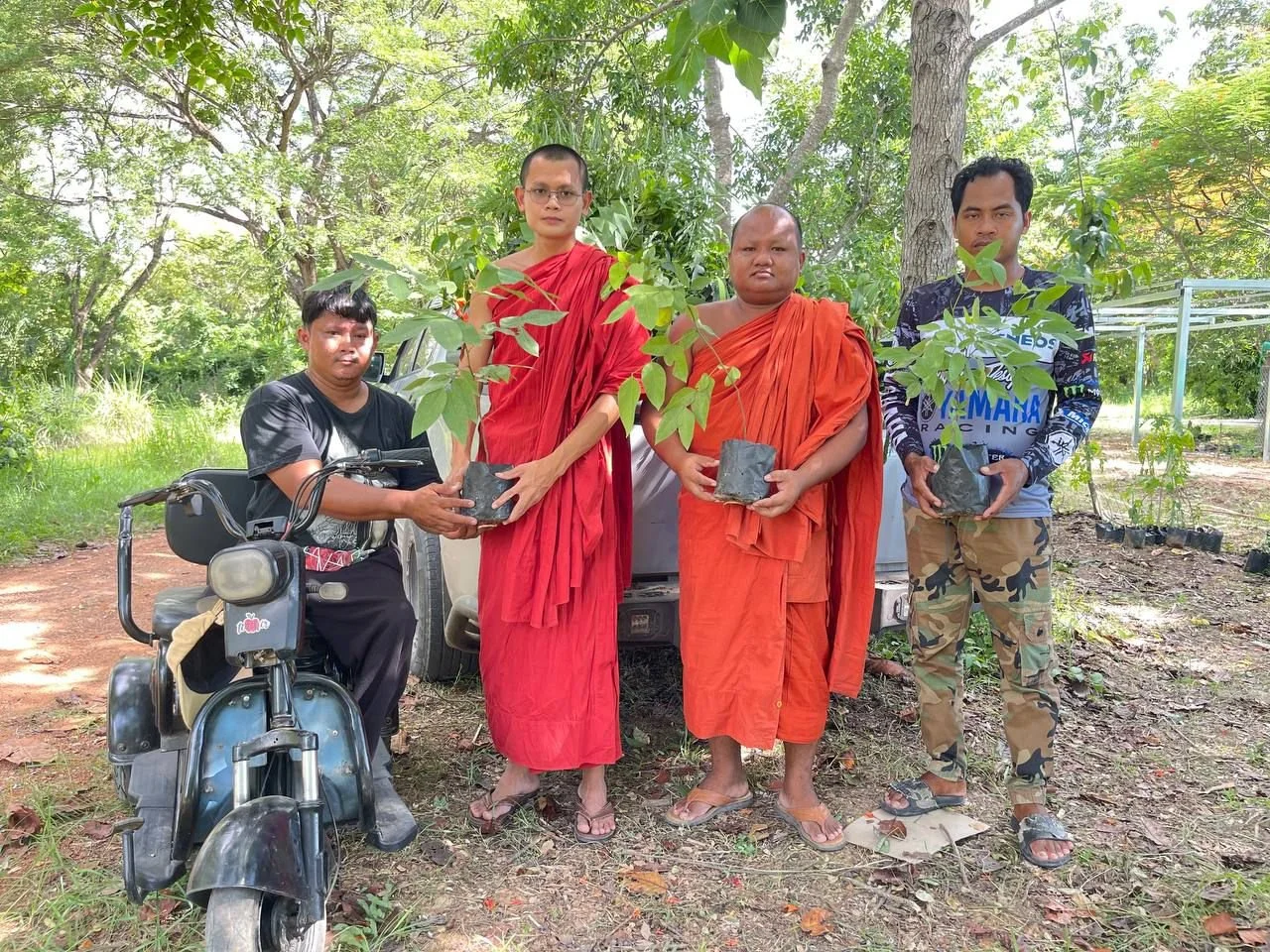
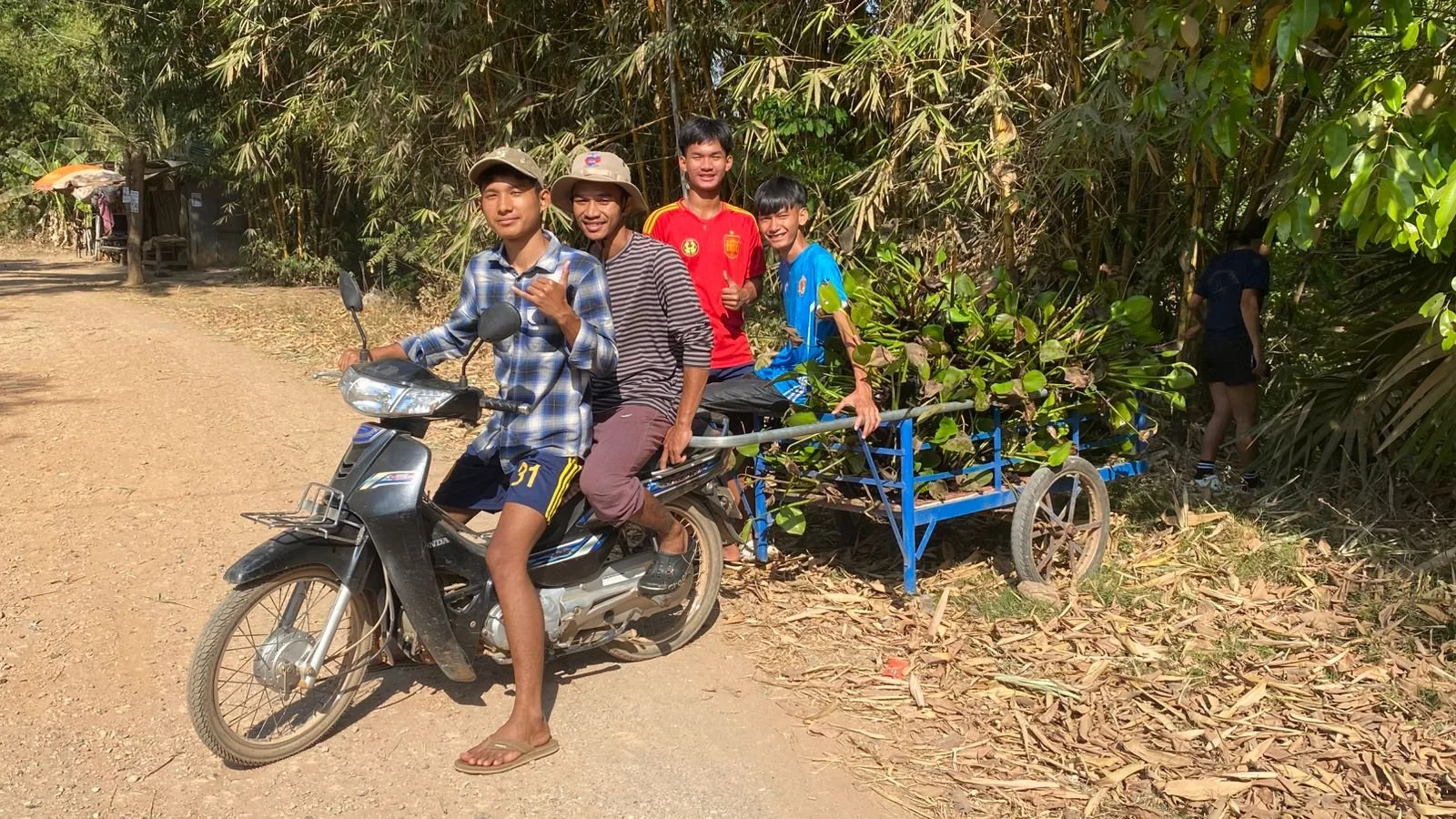
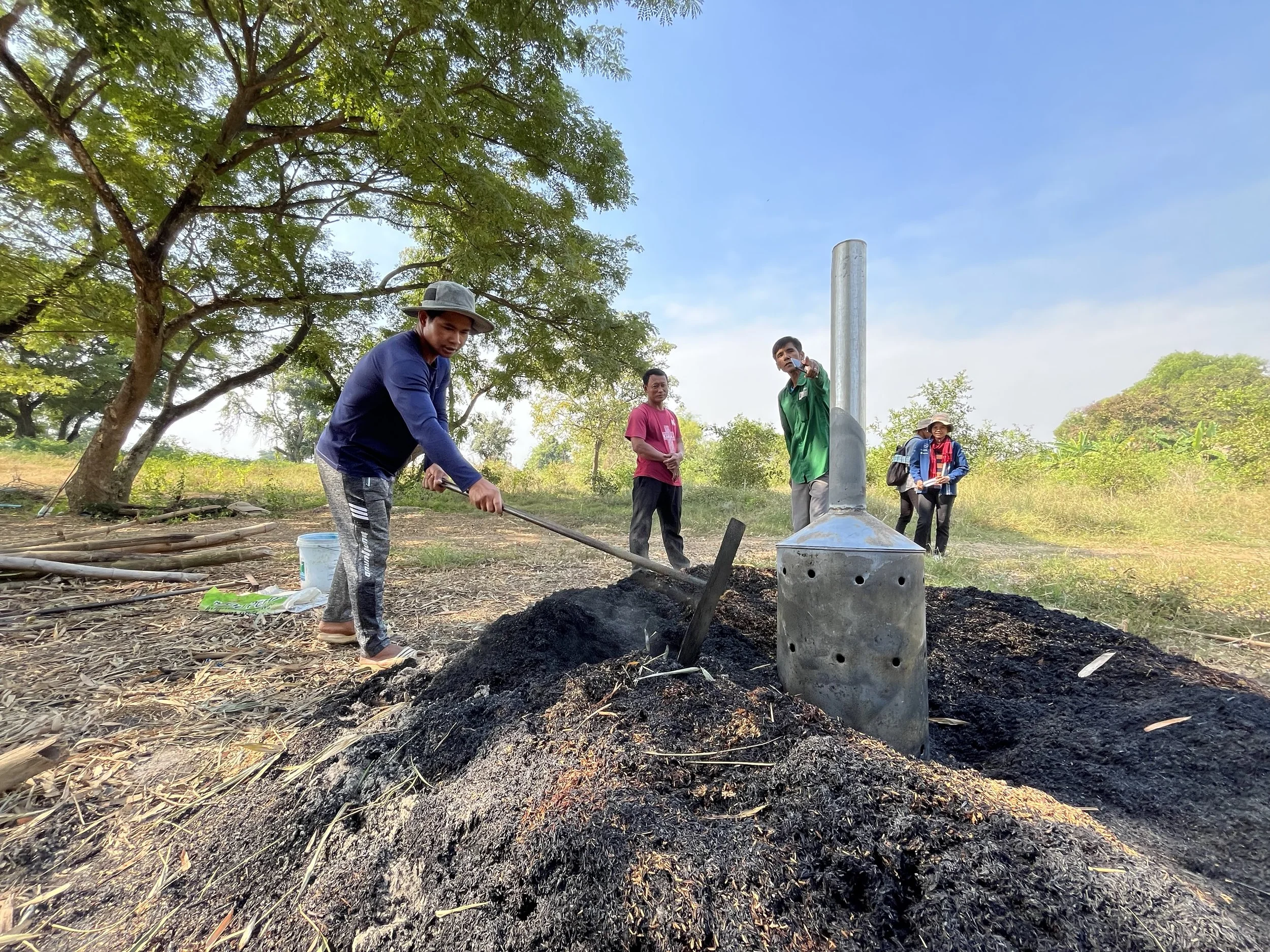
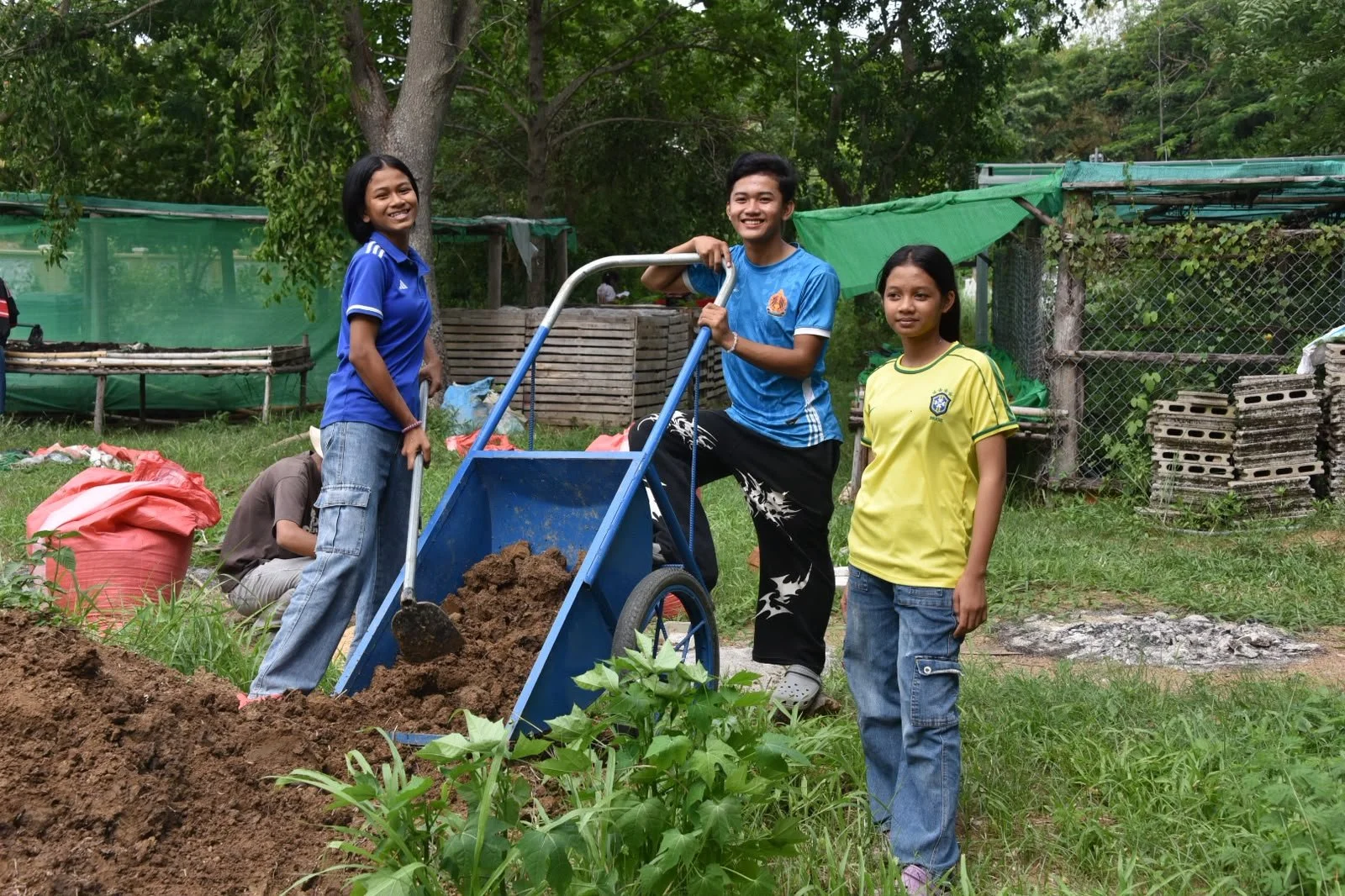
As the nursery began to flourish, we expanded into a second community site, sharing seeds, composting techniques, and knowledge with local families. While this has been a rewarding step, it has also highlighted the need for ongoing support, as growing trees requires different skills from traditional rice farming.
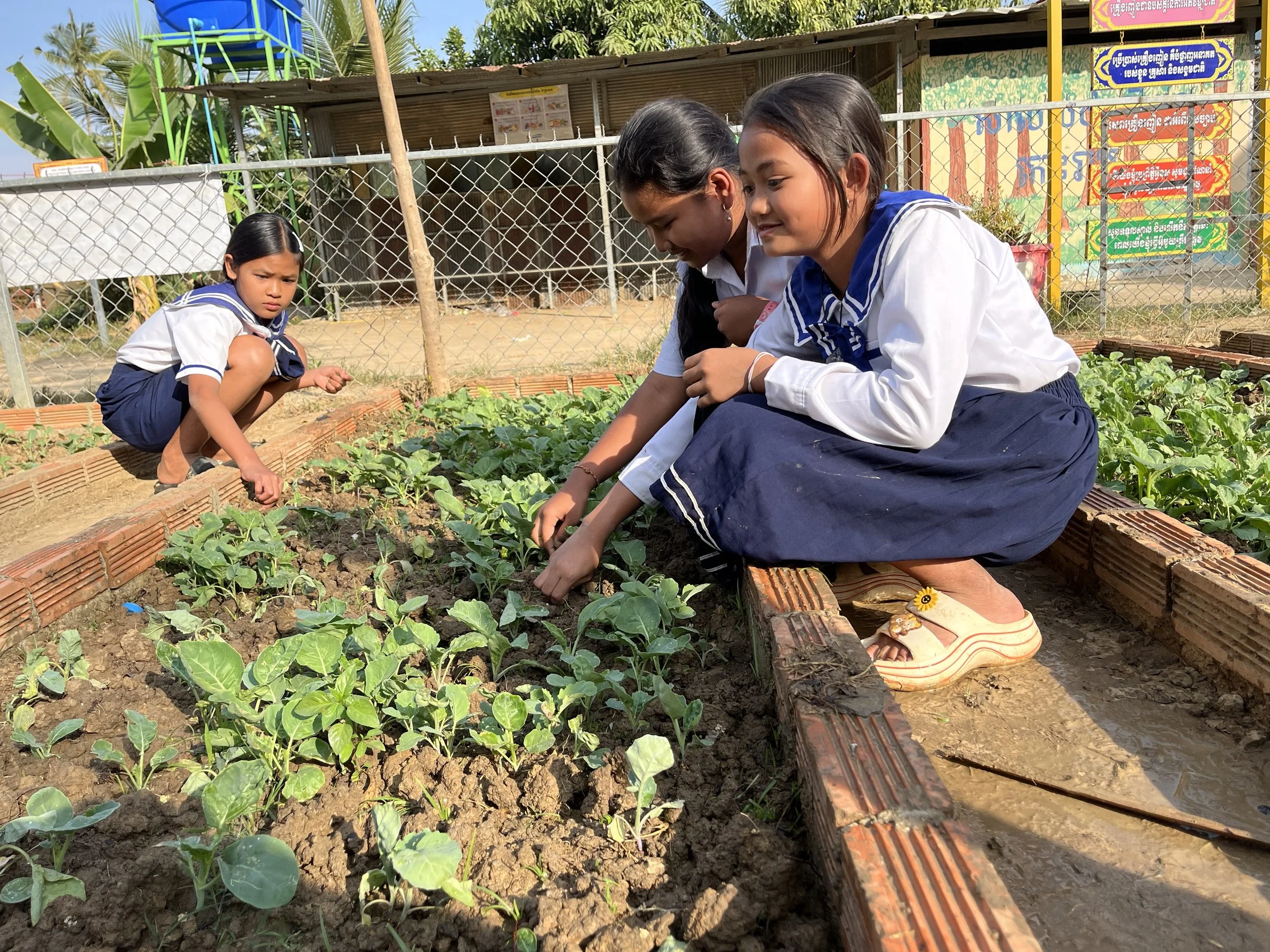
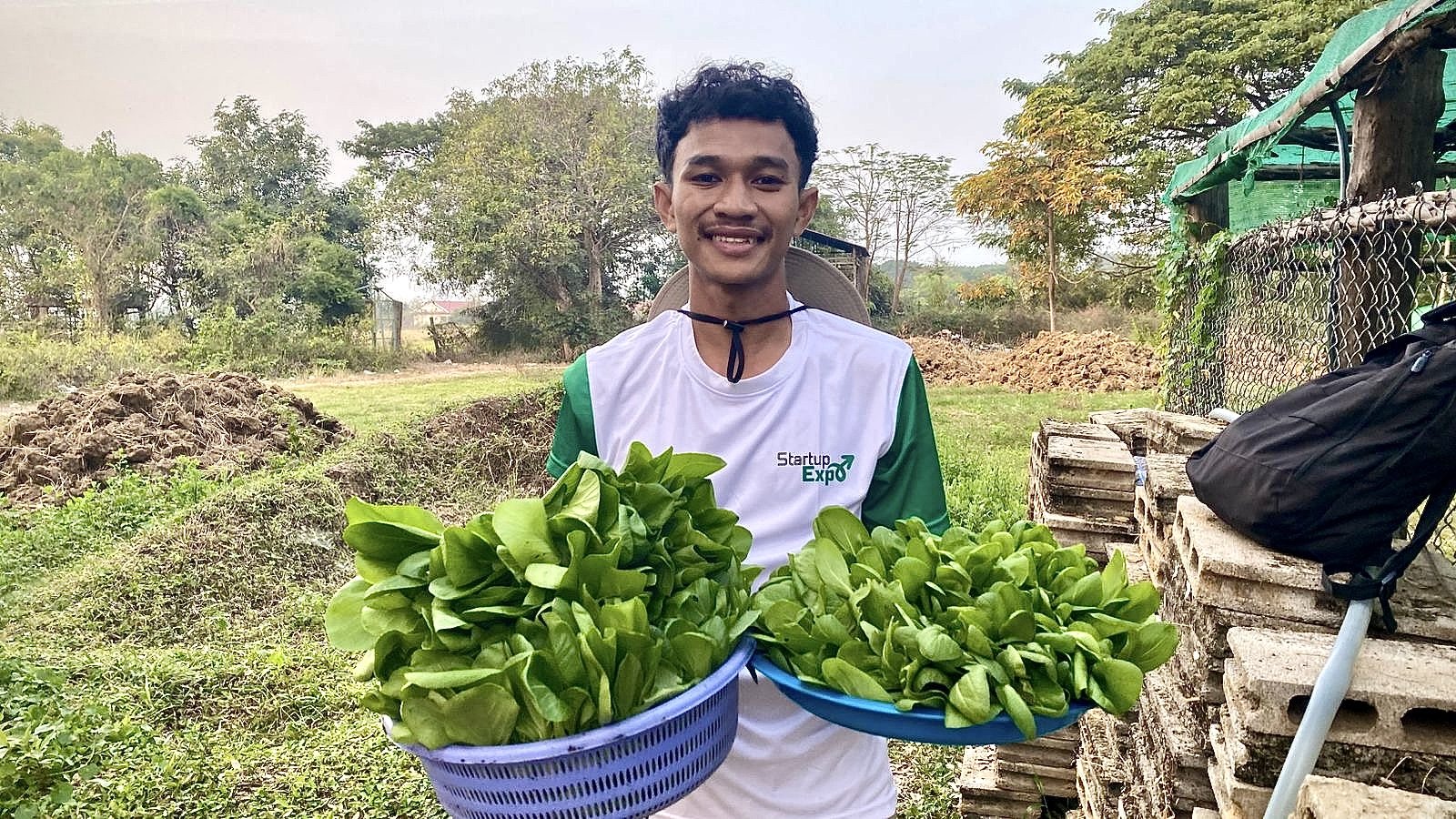
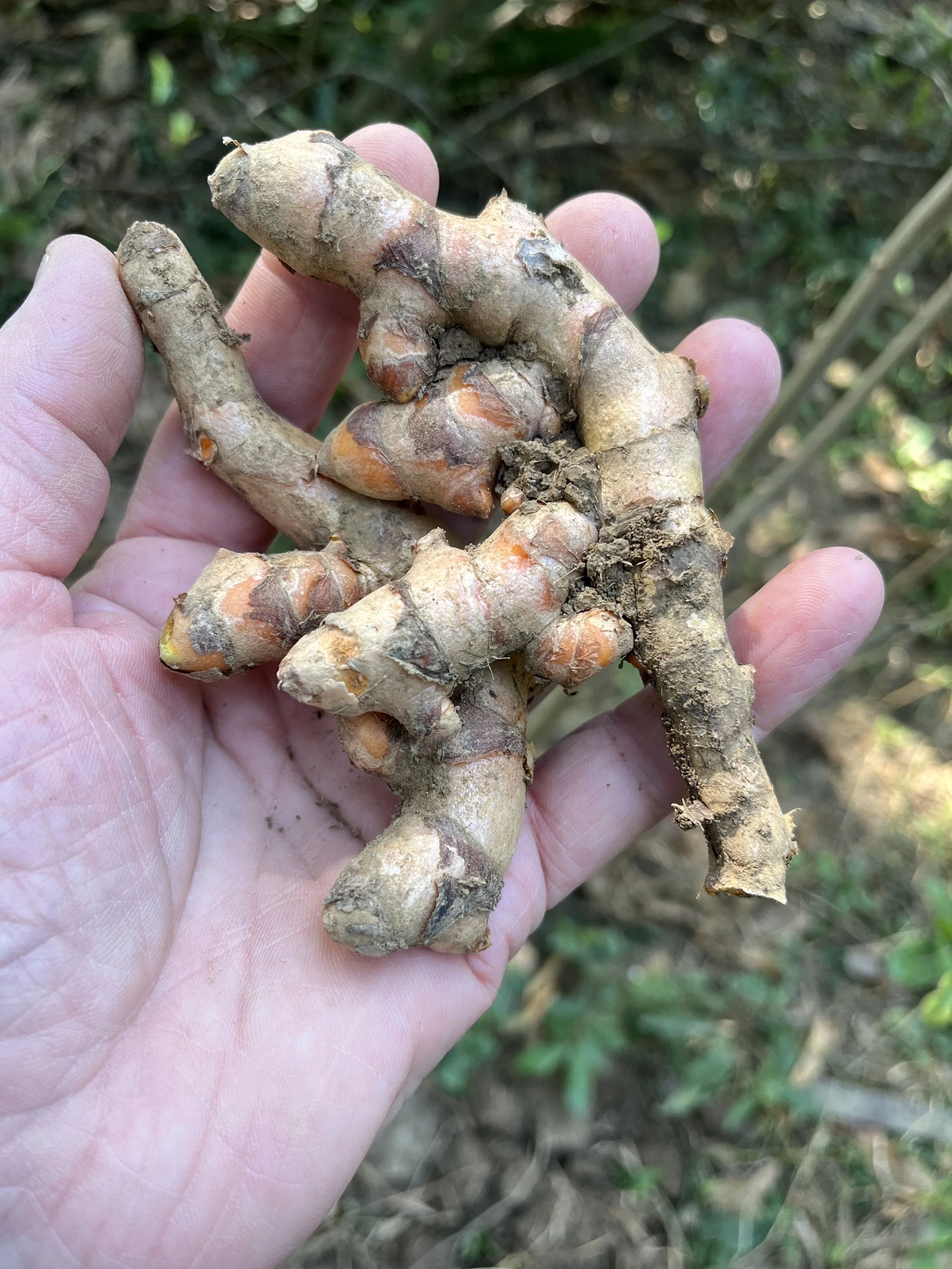
Alongside tree growing, we have also made encouraging progress with vegetable cultivation. Community members are now producing a variety of vegetables using compost generated on site— supporting both nutrition and income, while demonstrating the wider benefits of sustainable land use.
By the end of the year, we recognised some key challenges, particularly around soil quality, compost production, and the survival of young trees. These insights have been invaluable. In January, the team came together in Cambodia to review progress and plan the next phase. It was inspiring to see the commitment and determination to adapt and improve.
Looking ahead, our focus will be on strengthening our work in the Tahen community, developing it as a centre of excellence for tree germination, composting, vegetable growing, and native seed collection. We will also concentrate our planting efforts into micro-forests in the local area, creating a practical space for learning, teaching, and growing impact. We will continue to build micro-nurseries where the infrastructure for learning already exists, such as in schools.
This first year has been one of learning, resilience, and progress. We are proud of what has been achieved and excited for what lies ahead. From all of us on the team—thank you for your continued support. We look forward to building on these foundations together in the coming year.
